Press & Resources Insights
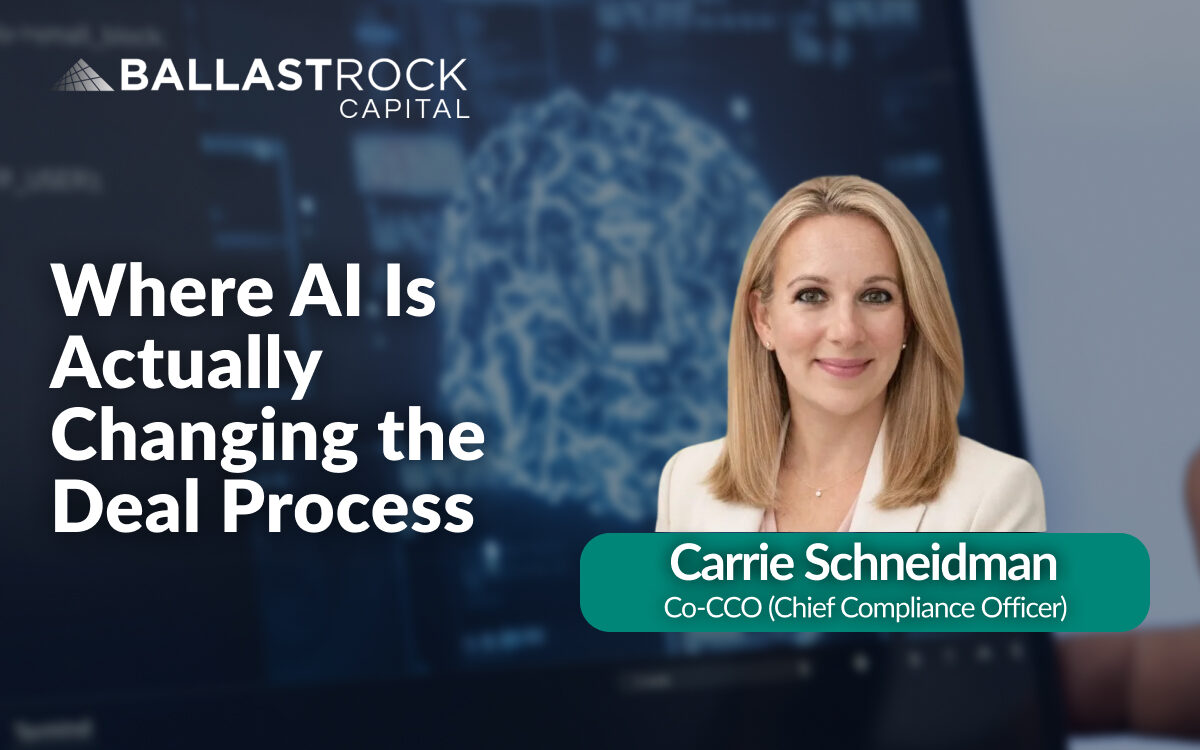
Where AI Is Actually Changing the Deal Process
A pitch book that once took an associate 40 to 80 hours can now be assembled in a fraction of that time. McKinsey documented one bank cutting investment brief production from nine hours to thirty minutes.
Headlines about AI in finance tend to focus on budgets. The more useful question is where the work itself is changing.
Pitch materials
Materials production has long been one of the most time-intensive parts of junior banking work. Drafting and updating pitch books and investment briefs now takes a fraction of the time, which frees associates for analysis and client preparation.
Due diligence
Reviewing thousands of contracts, leases, and regulatory filings used to consume weeks of associate time. AI tools now scan document repositories in minutes, flag change-of-control clauses, and surface non-standard terms that a tired reviewer on hour eleven might miss.
Deal sourcing
Instead of waiting for a target to come to market, AI systems now scan filings, earnings calls, and ownership patterns. They surface companies likely to raise capital or seek an exit before those companies announce anything. Bankers get an earlier view of opportunities and more time to build relationships.
Judgment still decides the deal
None of this replaces judgment. AI removes the mechanical work that used to stand between a banker and the decisions that actually matter. The bankers who use these tools well spend less time assembling information and more time acting on it.
IMPORTANT DISCLOSURES
This paper is provided by Ballast Rock Capital LLC, a FINRA-registered broker-dealer (CRD# 322170), for informational and educational purposes only. It does not constitute investment advice, a solicitation, or an offer to buy or sell any security. The information contained herein has been obtained from sources believed to be reliable but is not guaranteed as to accuracy or completeness. Past performance is not indicative of future results. Investment in private securities involves significant risk, including the potential loss of principal and illiquidity. This material is intended for sophisticated investors and financial professionals only.